
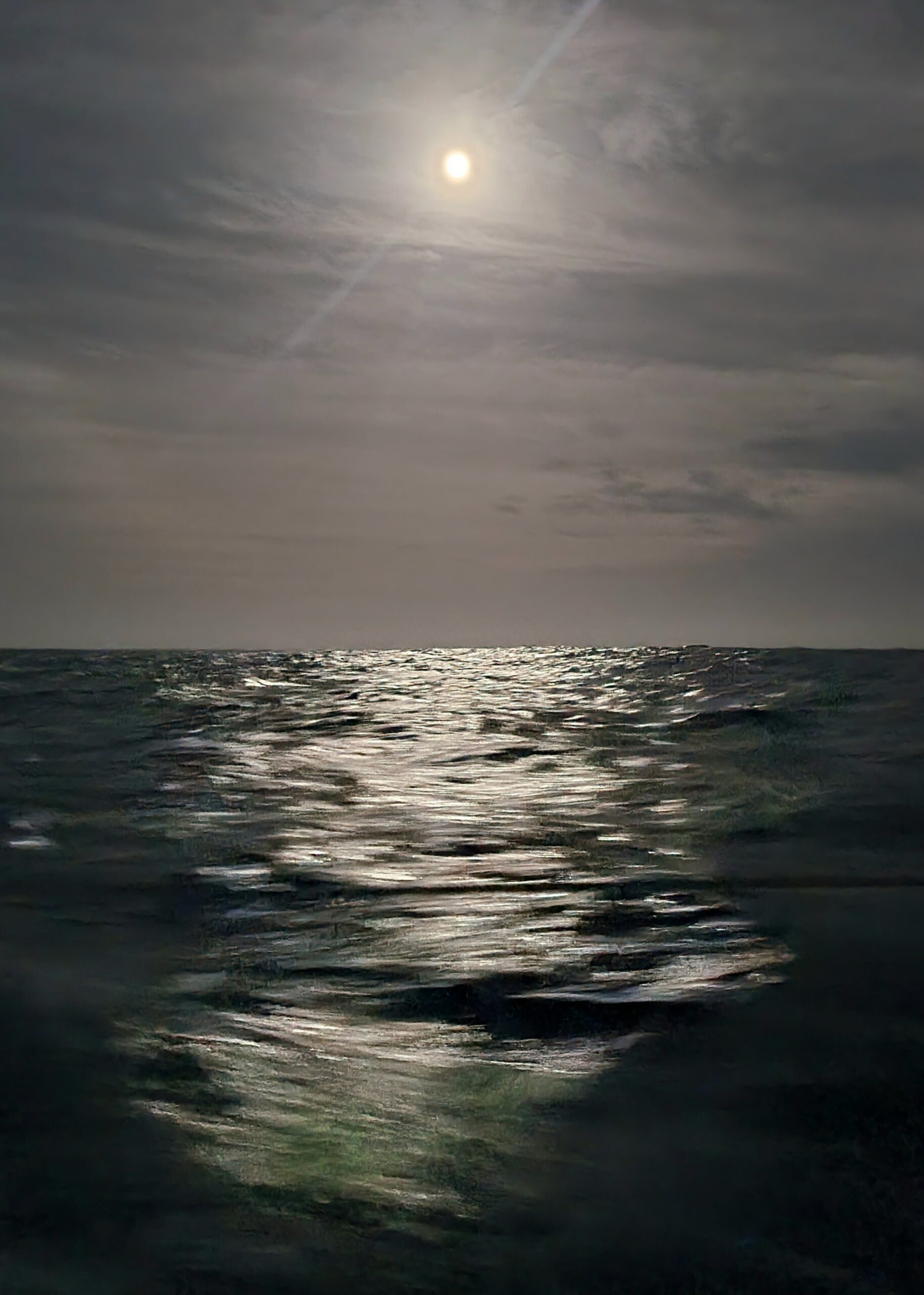
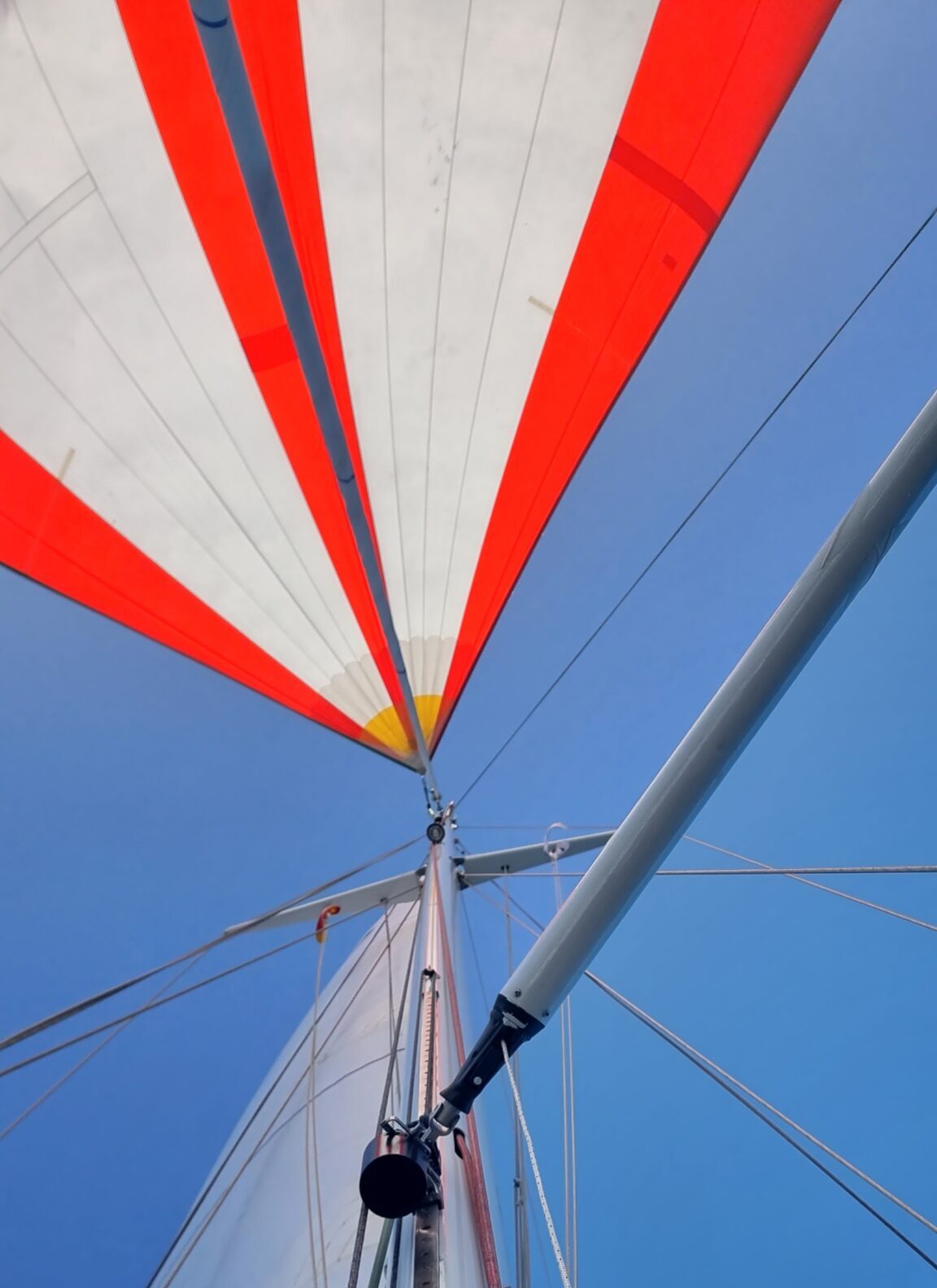
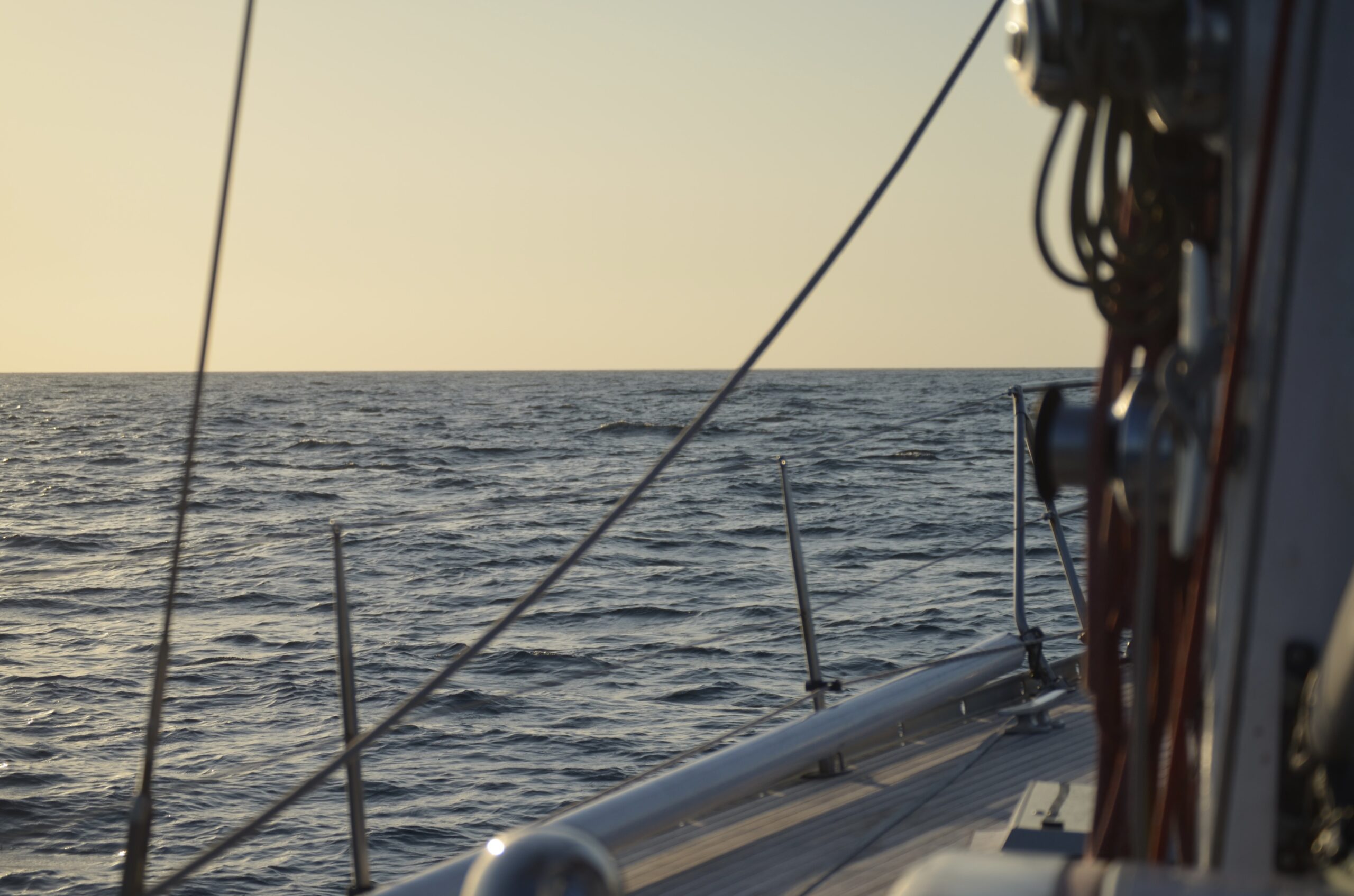

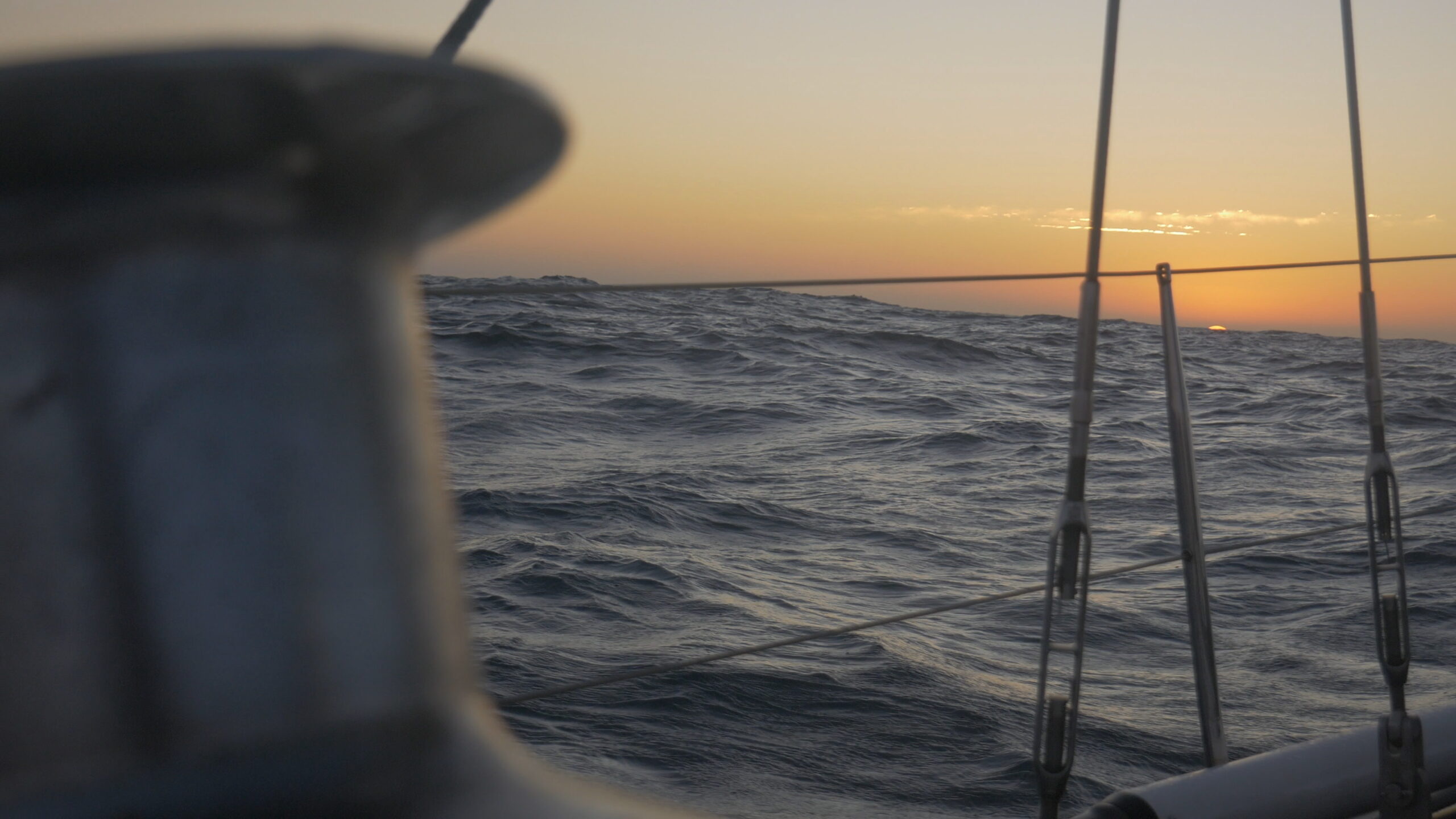
Of all the wilderness remaining on Earth, the open ocean is the greatest.
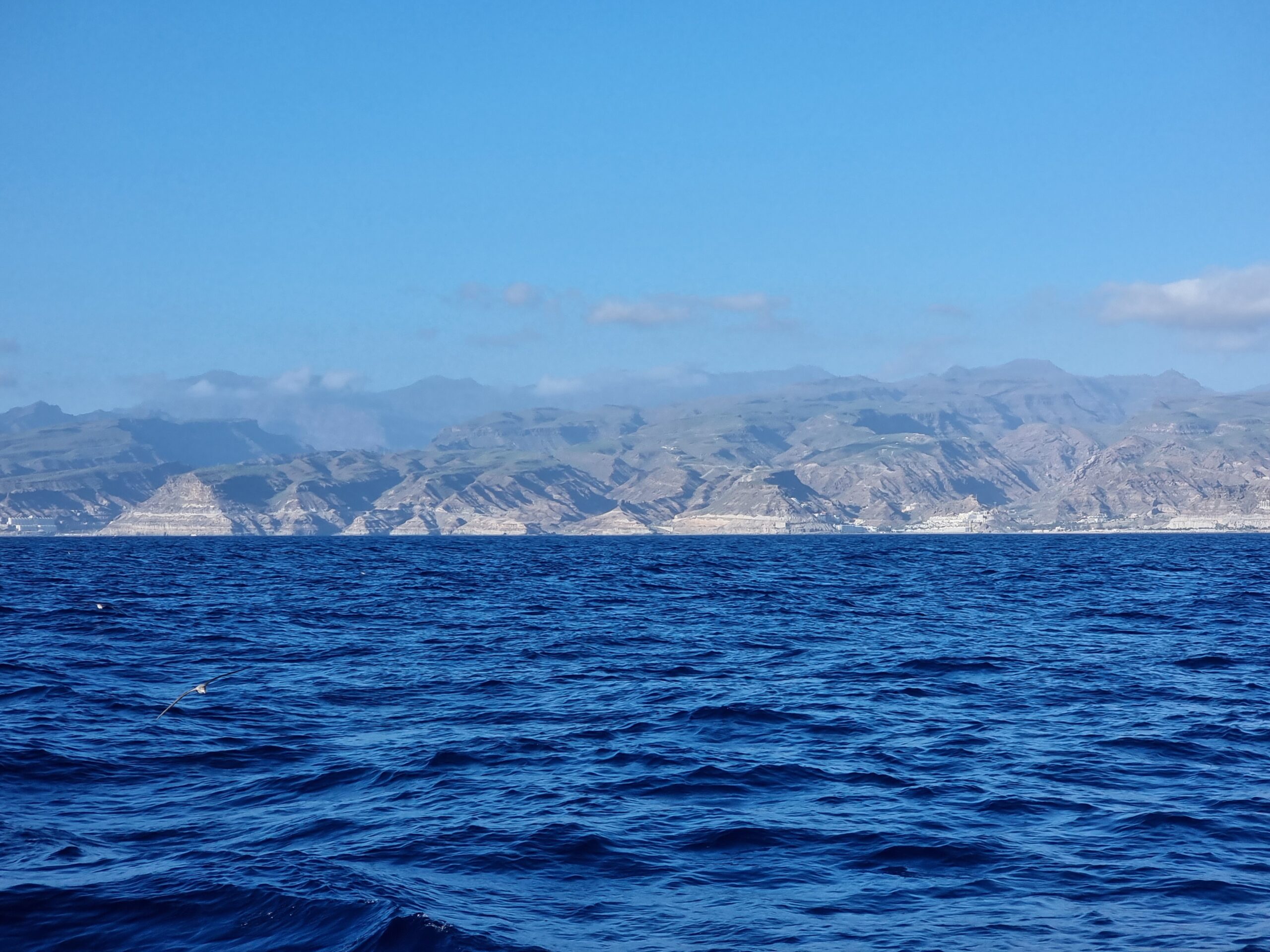
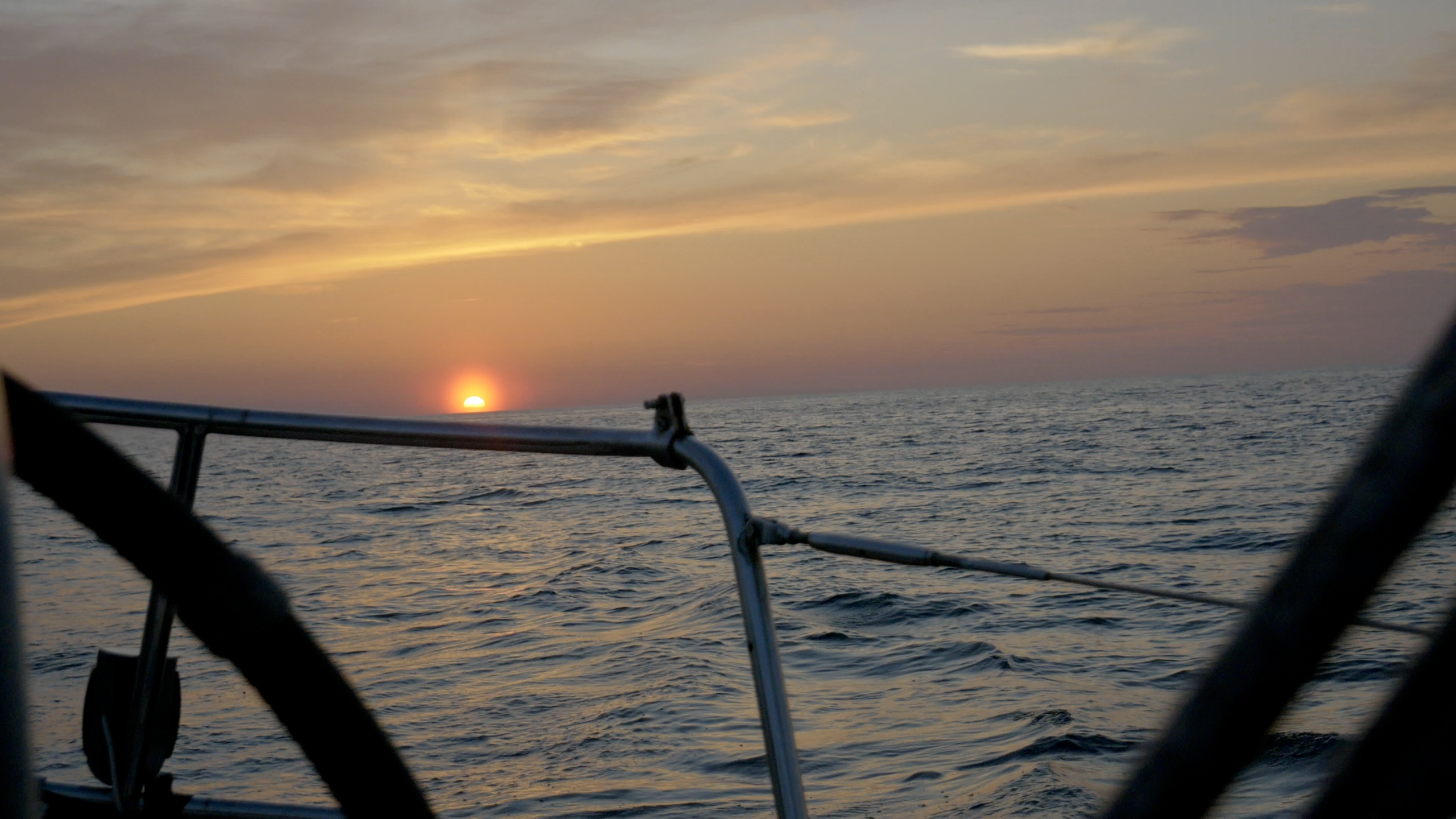
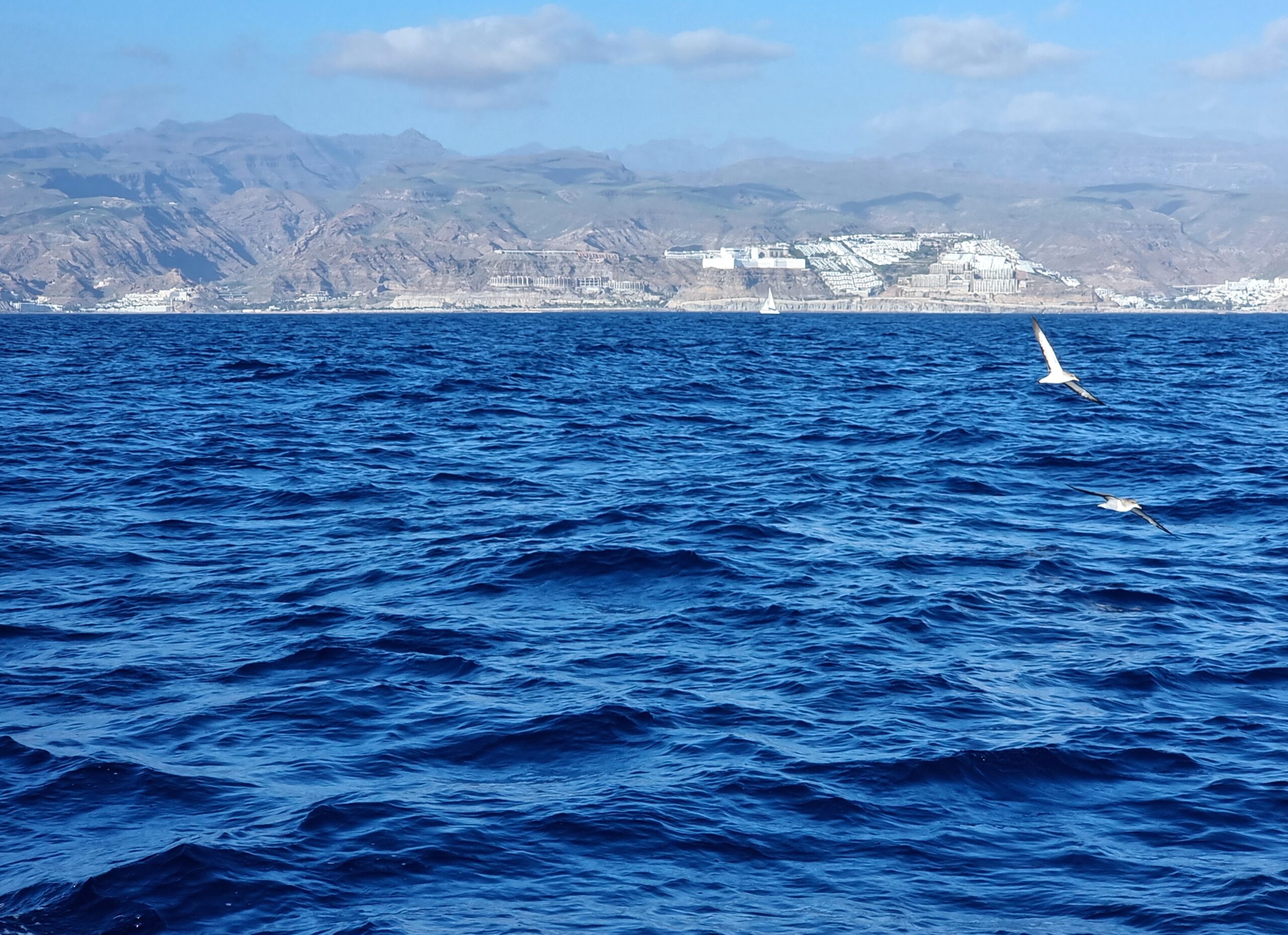
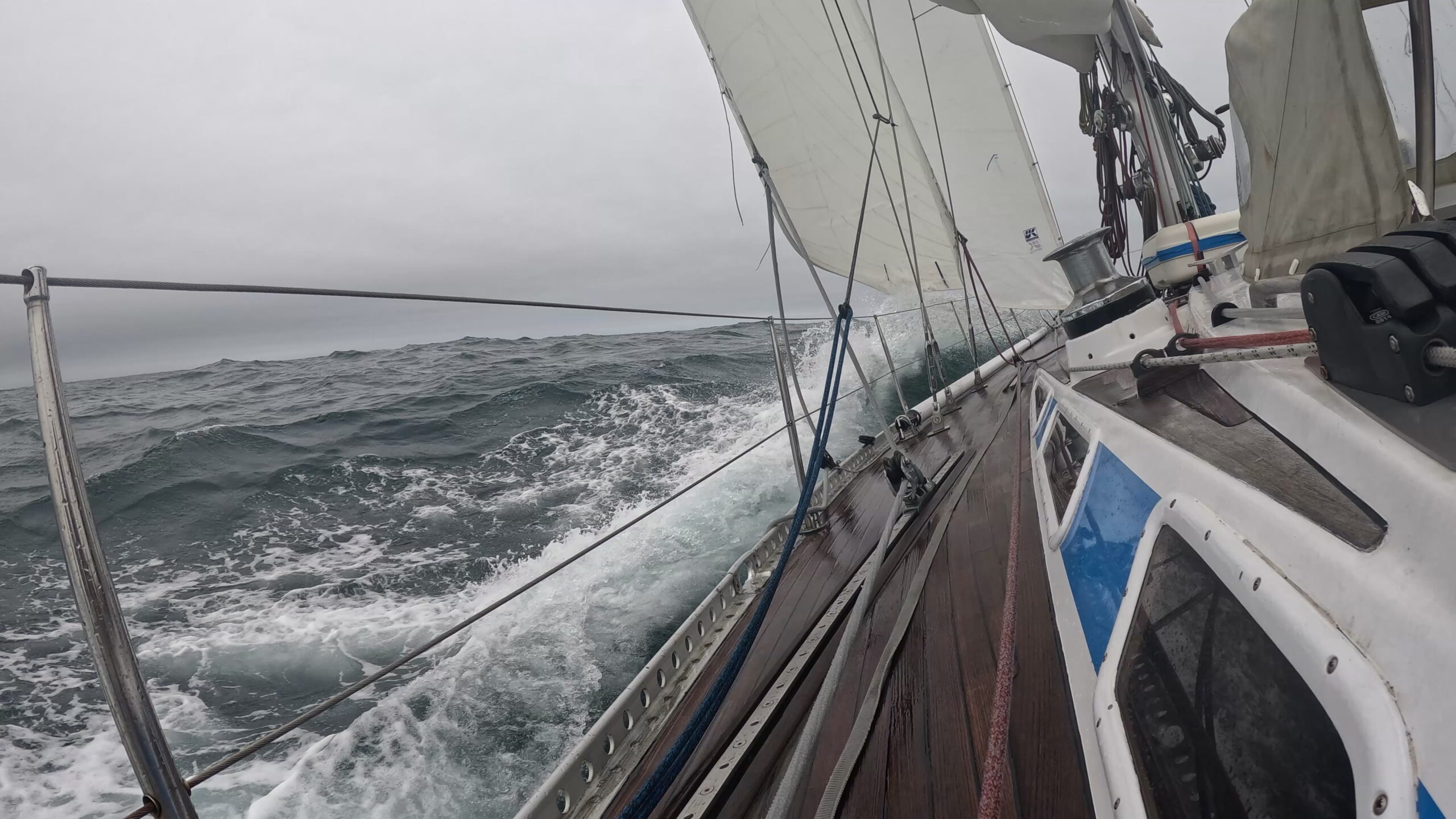
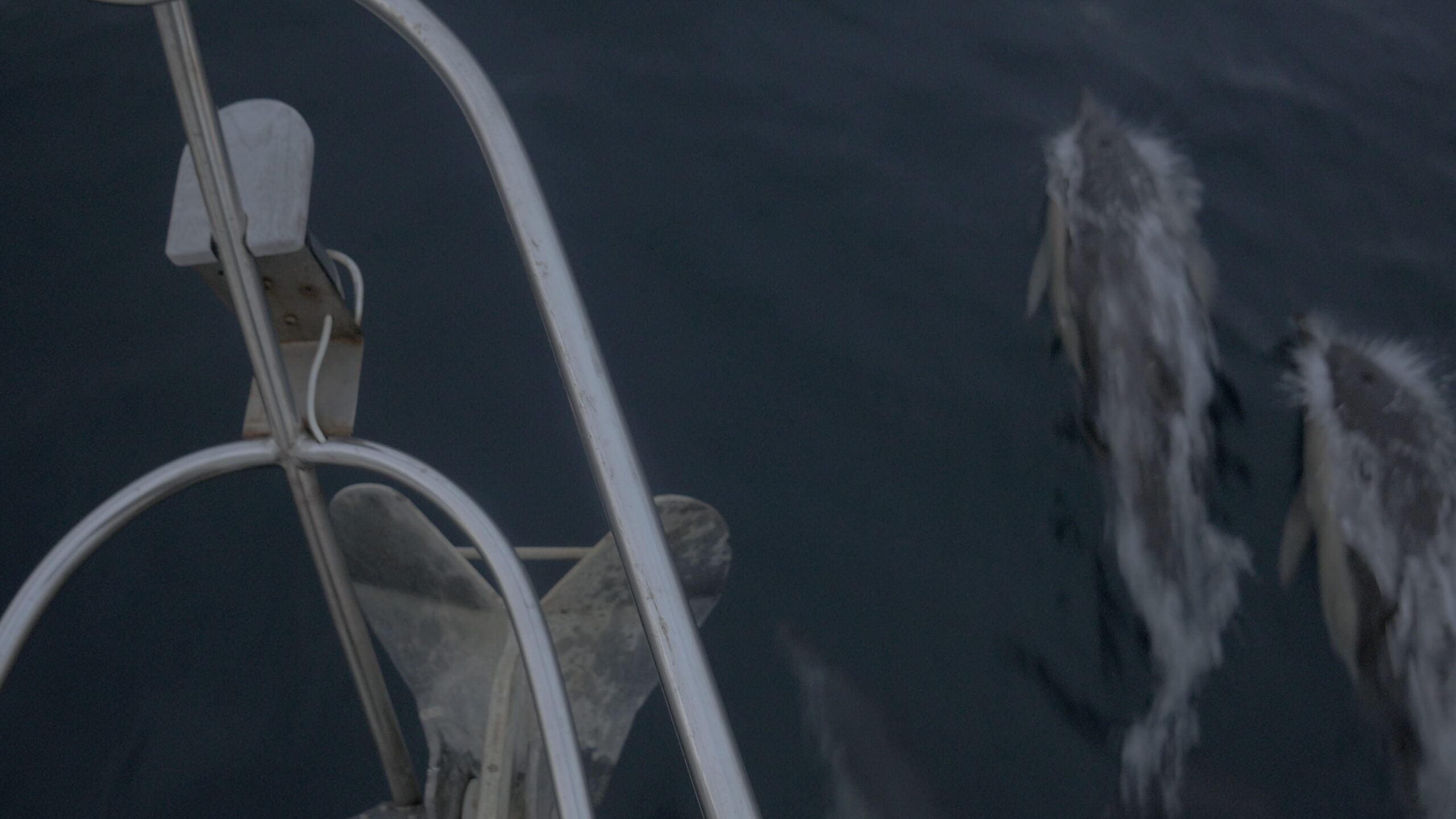
Its appearance can change in an instant: serene one moment, intimidating the next. Encounters come without warning: a humpback breaching close by, a seabird landing on deck, dolphins lighting up the waves around the boat at night.
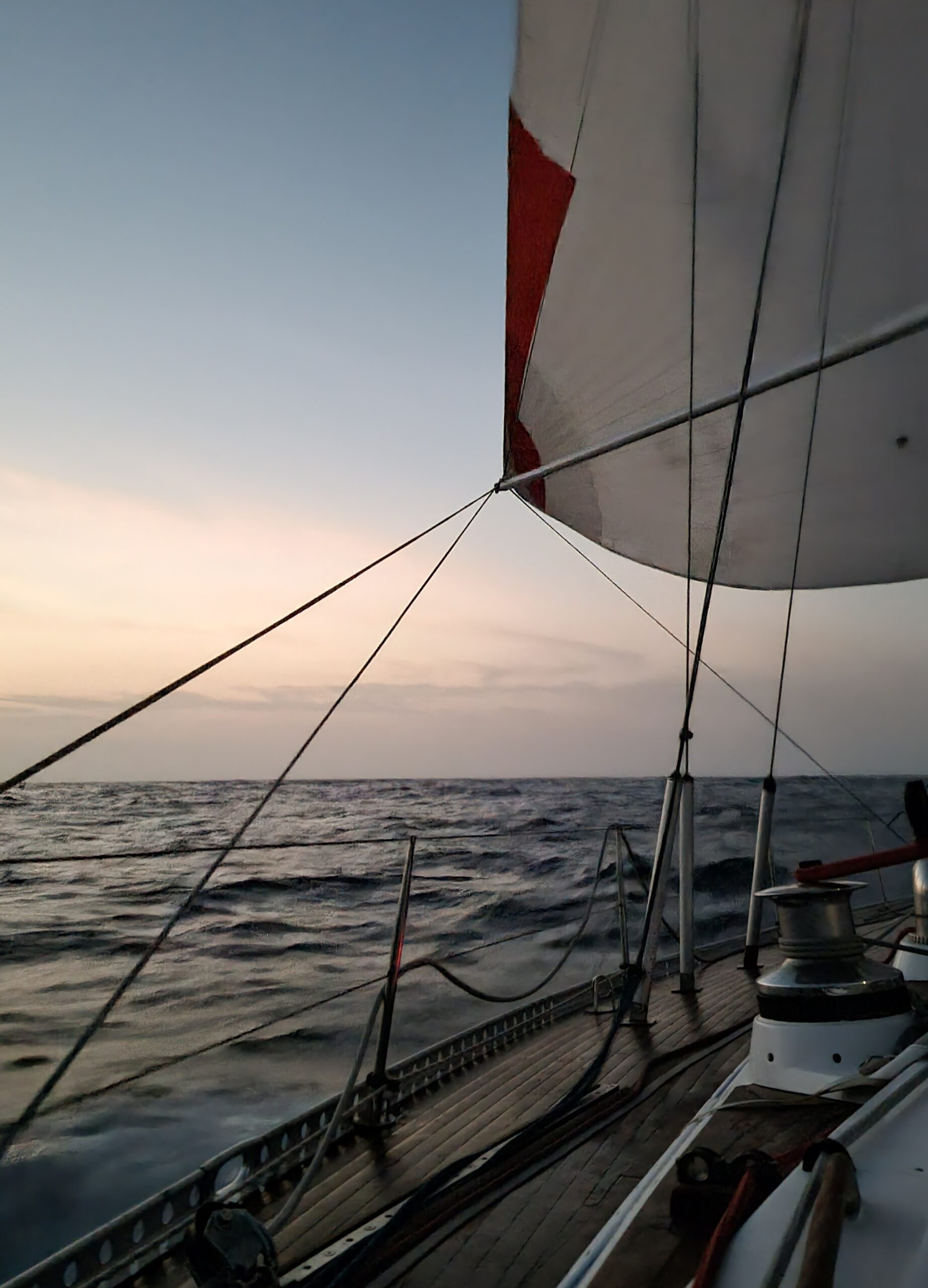
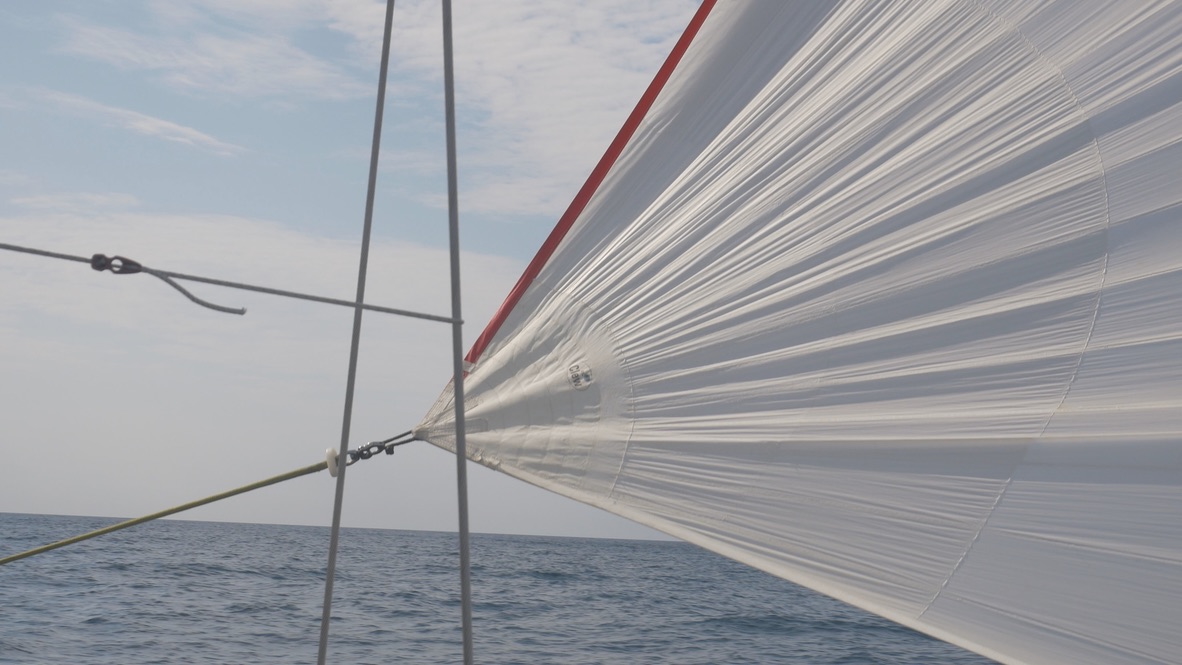
To cross an ocean under sail is to experience wilderness in its truest form. Using nothing but wind and current, one must work with it rather than against it, creating a partnership with forces larger than oneself.
To make this commitment tangible, The Long Way donates €0.10 to the African Parks Network for every nautical mile sailed. This aids their work to protect Bazaruto National Park in Mozambique, one of the most important marine sanctuaries along the African coastline.
In this way, you contribute directly to marine conservation, simply by sailing the long way.
Specifications
History
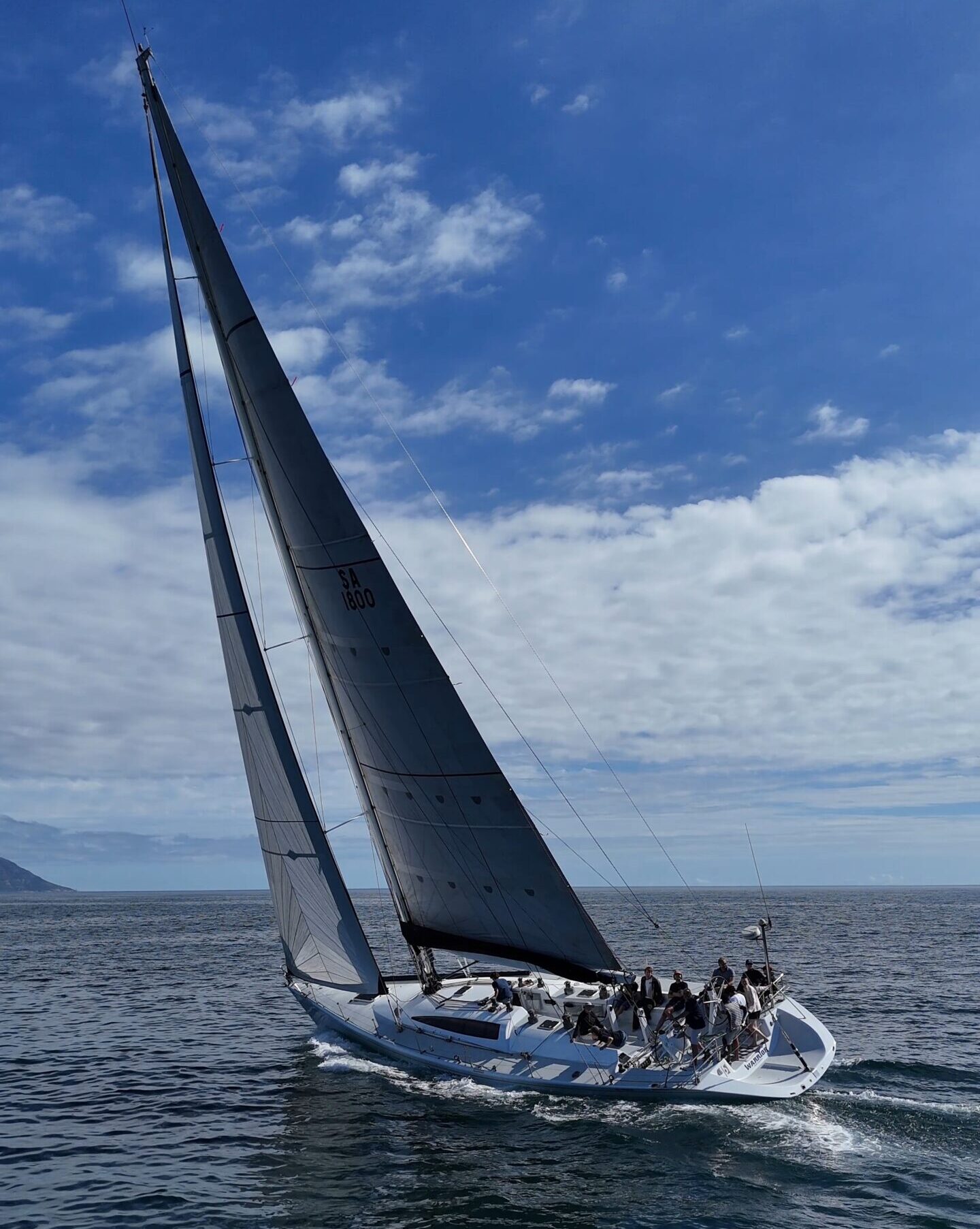
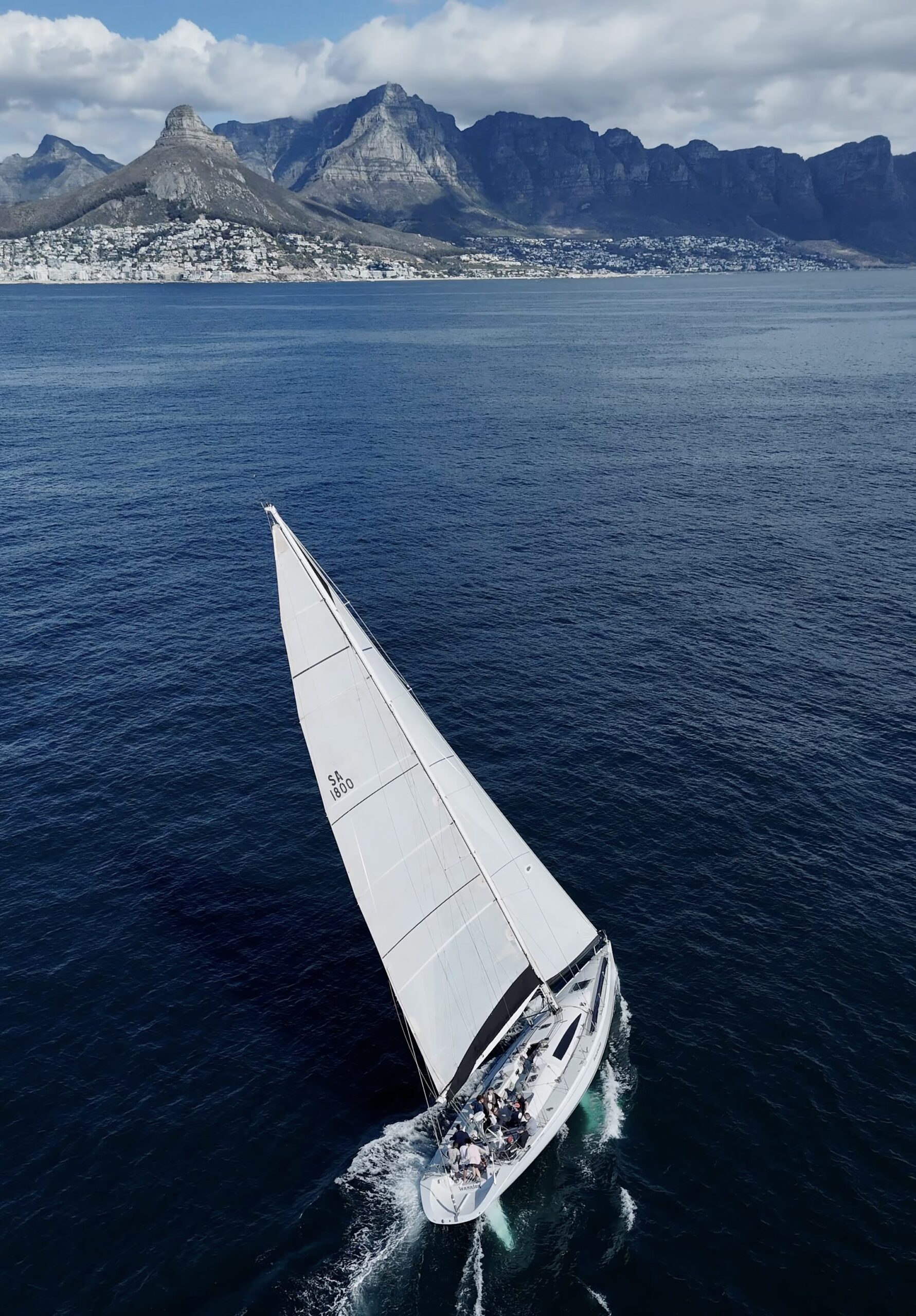
Warrior is a genuine offshore racing legend, a 60-foot thoroughbred conceived as a no-compromise blue-water racer and proven at the highest level of ocean competition. Her victories in both the Cape to Rio Race and the Mauritius to Durban Race established her reputation as a fast, capable, and exceptionally seaworthy yacht.
Built to uncompromising offshore standards and professionally maintained throughout her life, Warrior remains in outstanding condition. She is currently equipped with brand-new rigging and sails, and will undergo further upgrades in 2026 to optimise here for fast and safe ocean sailing.
Below deck, Warrior is basic but comfortable, with generous accommodation for six guests and four professional crew. Everything on board is arranged with one priority in mind: to carry her crew safely and fast across oceans in demanding conditions.
Specifications
History
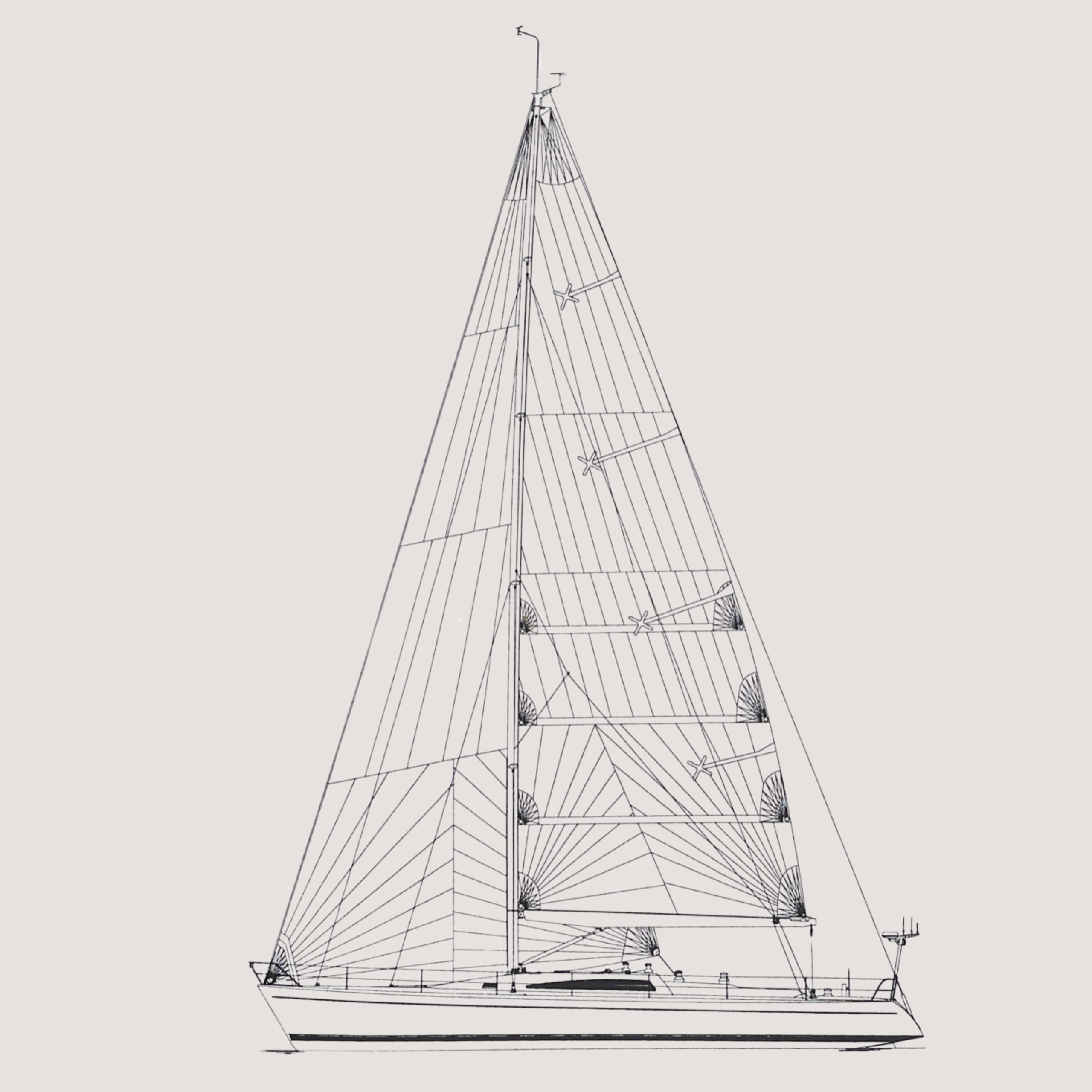
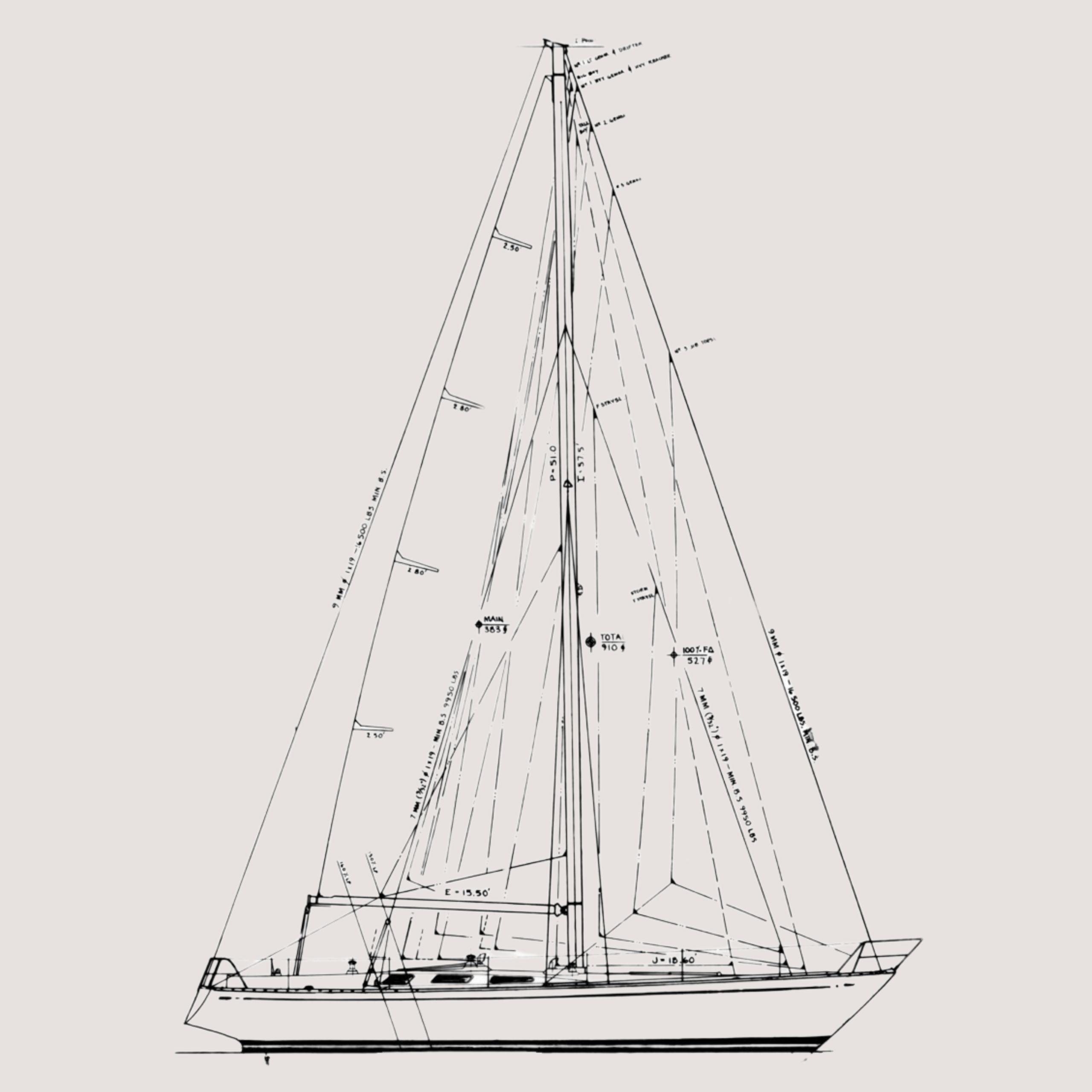
Floortje is a Swan 44 designed by Sparkman & Stephens and built by Nautor’s Swan in Finland, one of the most respected offshore yacht builders in the world. Introduced in the early 1970s, the Swan 44 was conceived under the I.O.R. Rule as a dual-purpose yacht: capable of winning offshore races while remaining safe, strong, and comfortable for serious ocean cruising.
The design quickly earned a reputation for exceptional seaworthiness, balanced handling, and elegant proportions. With her moderate displacement, deep fin keel, skeg rudder and powerful rig, the Swan 44 combines classic performance with the kind of structural integrity required for blue-water sailing. Many examples of the type have circumnavigated, competed successfully in major offshore races, and continue to sail today – a testament to the durability of both the design and Nautor’s construction standards.
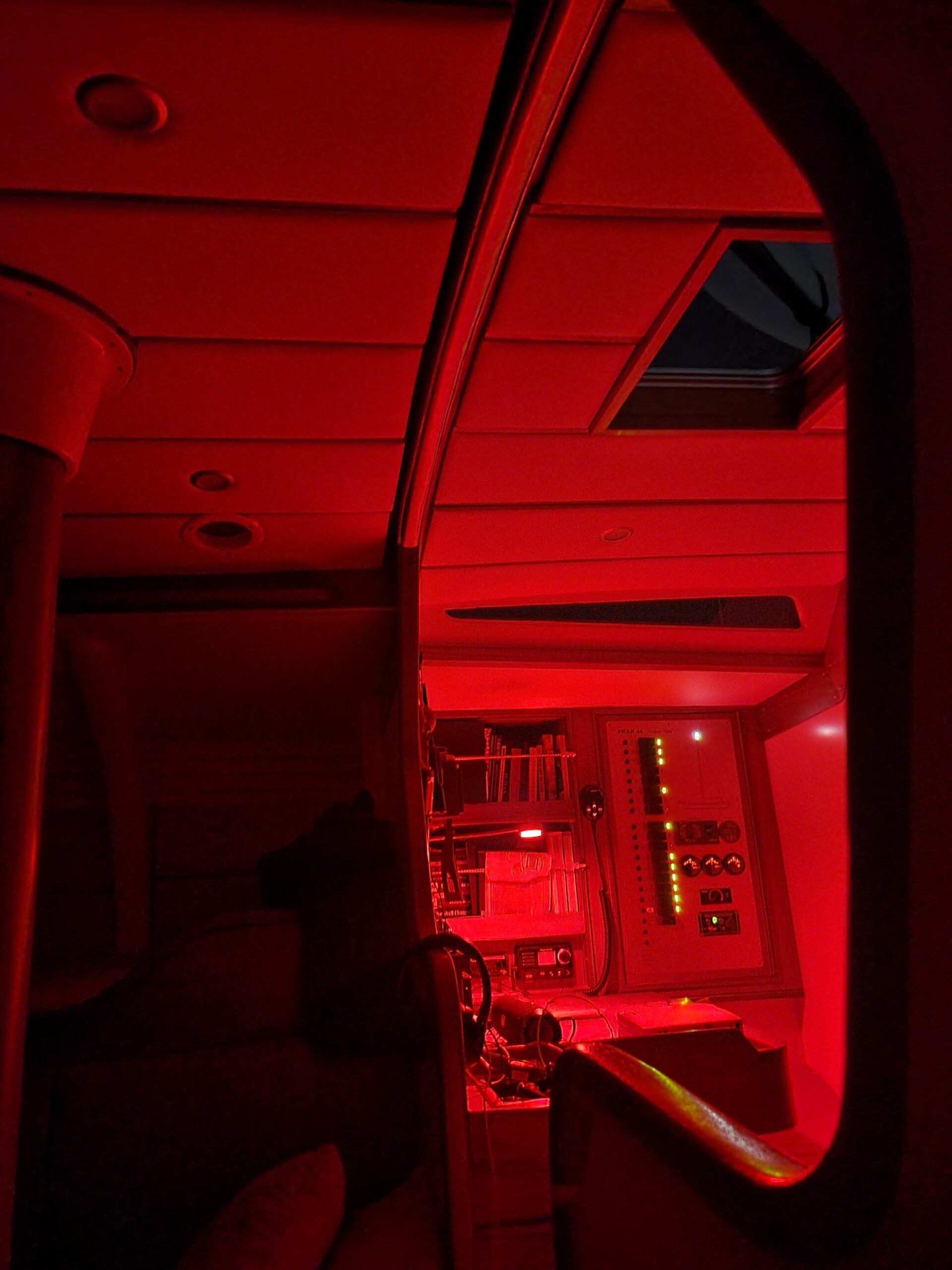
Today, Floortje stands as a true classic. She’s a boat that was built in an era when offshore capability came before luxuries like airconditioning, washing machines and flatscreen TVs. She may not be the best boat at an anchorage, but when you’re out at sea and the going gets tough, there is no boat you’d rather be on.
8–10 days | 1,700 nm | €4,000
Departure: 27 December 2026
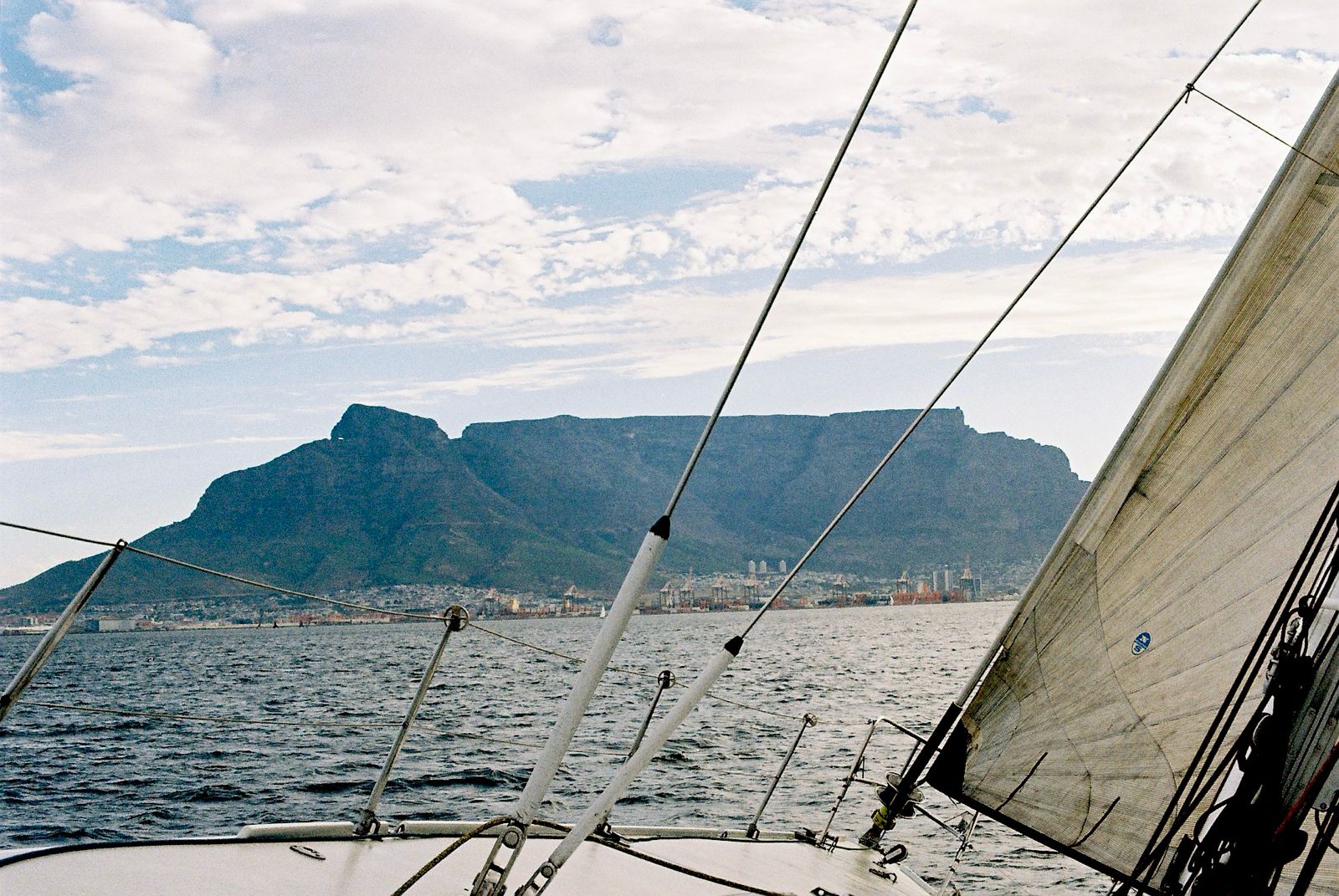
For our first ocean passage, we leave Table Mountain astern and head for one of the world’s most remote inhabited islands. After clearing the Cape weather systems, the route settles into the trade winds for a fast offshore crossing.
St Helena is steeped in maritime history and best known as the place of Napoleon Bonaparte’s final exile and death. Landfall after more than a week at sea is unforgettable, with the island’s dramatic volcanic cliffs rising abruptly from the ocean – a rare destination reached by few sailors each year.
Click on the route for passage info
1,850 nm | 10–12 days | €4,000
Departure: 15 January 2027
After a few days ashore on one of the world’s most remote islands, we depart St Helena and head west across the South Atlantic toward Brazil. This is a true ocean passage: steady trade-wind sailing, long rolling swells, and days of uninterrupted horizon.
With no land between departure and arrival, life settles into the rhythm of offshore watches as the temperature rises and the air grows increasingly tropical. Landfall comes dramatically, with the mountains and coastline of Rio de Janeiro emerging from the haze after nearly two weeks at sea.
Click on the route for passage info
1,100 nm | 7–8 days | €3,600
Departure: 13 February 2027
After celebrating Carnival in style, we depart Rio and head south along the Brazilian coast before gradually leaving the tropics behind. This leg combines open-ocean sailing with periods of coastal navigation, offering changing scenery and a tangible sense of moving into a different part of the world.
Approaching the Río de la Plata, one of the widest estuaries on Earth, marks a significant milestone of the journey. Landfall at Punta del Este, Uruguay’s lively seaside town, signals entry into the Southern Cone: a region defined by European influences, open landscapes, and a distinctly different atmosphere from tropical Brazil.
Click on the route for passage info
3,400 nm | 18–22 days | €6,800
Departure: 6 March 2027
Departing Punta del Este, we head east into the vast South Atlantic for the longest and most demanding leg of the voyage. Expect strong winds, grey horizons, and powerful ocean swell, conditions that will test our endurance but reward us with some of the most exhilarating ocean sailing imaginable.
This remote stretch of ocean remains profoundly wild. Whales are frequently sighted and albatrosses accoumpany the boat for days on end. Nights reveal immense star fields untouched by artificial light, while days unfold across an ever-changing seascape of swell, sky, and open horizon.
In many ways, this passage embodies what The Long Way is all about: remoteness, self-reliance, and immersion in the wilderness
Click on the route for passage info
Included
Not included
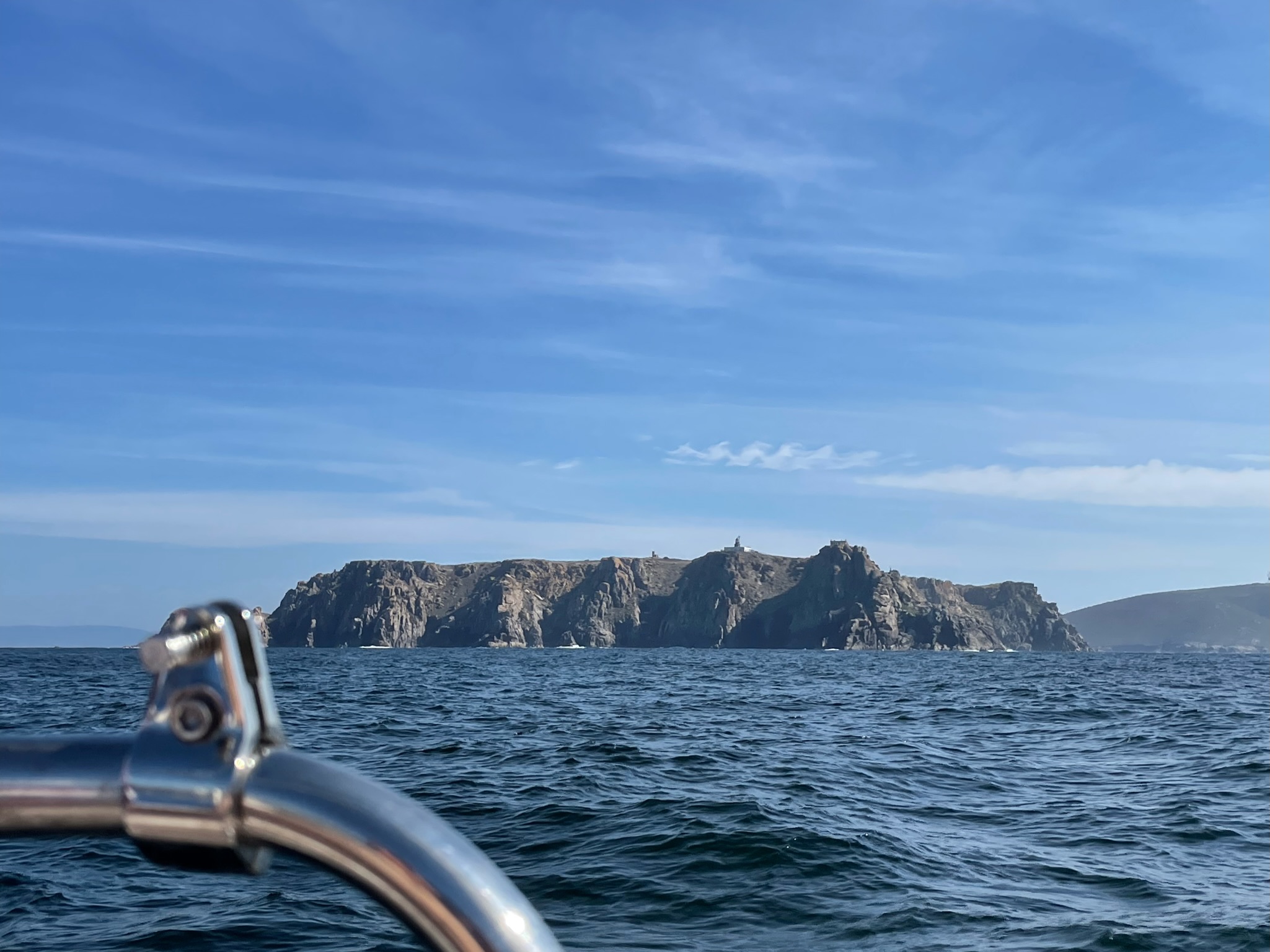
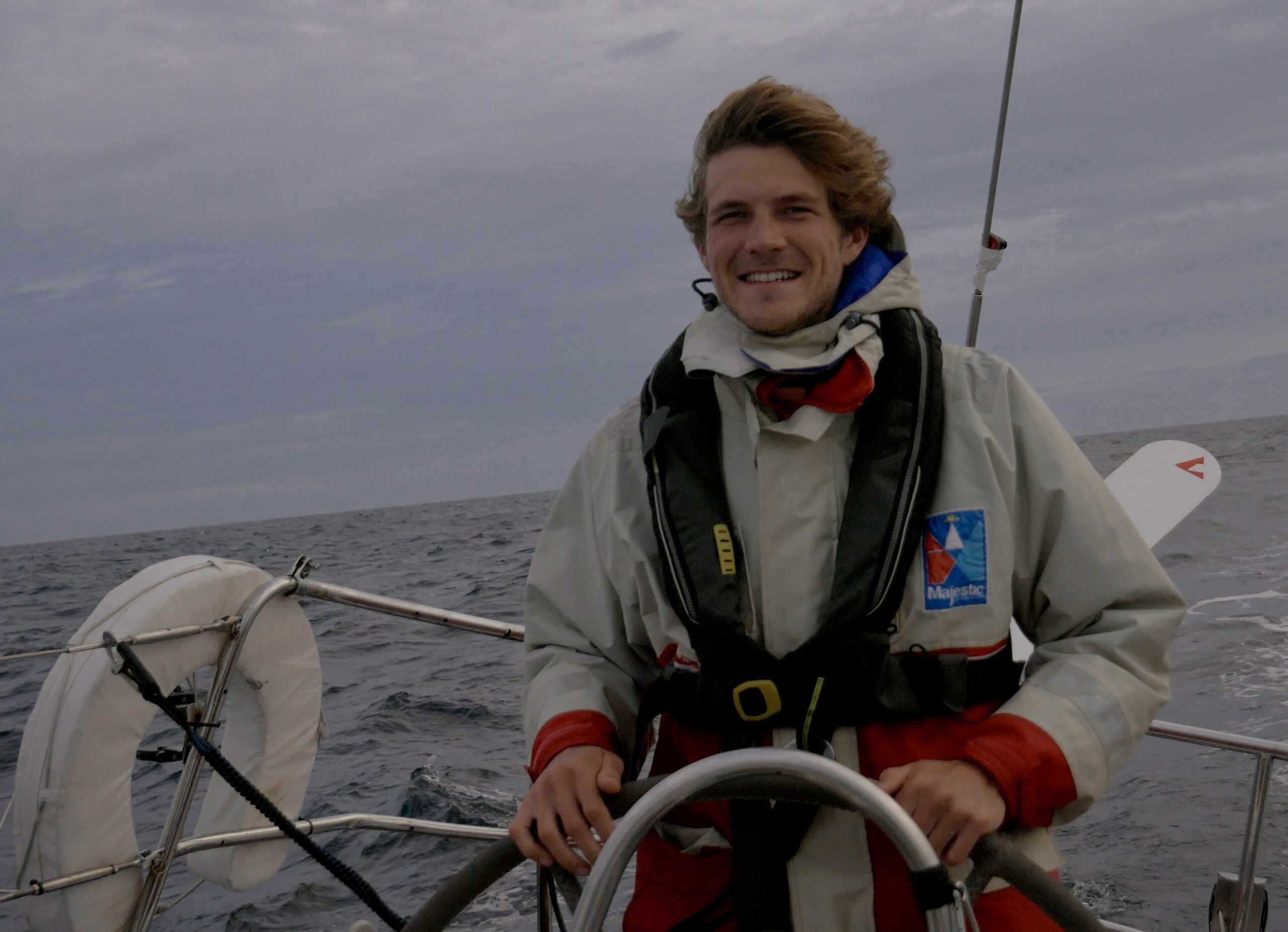
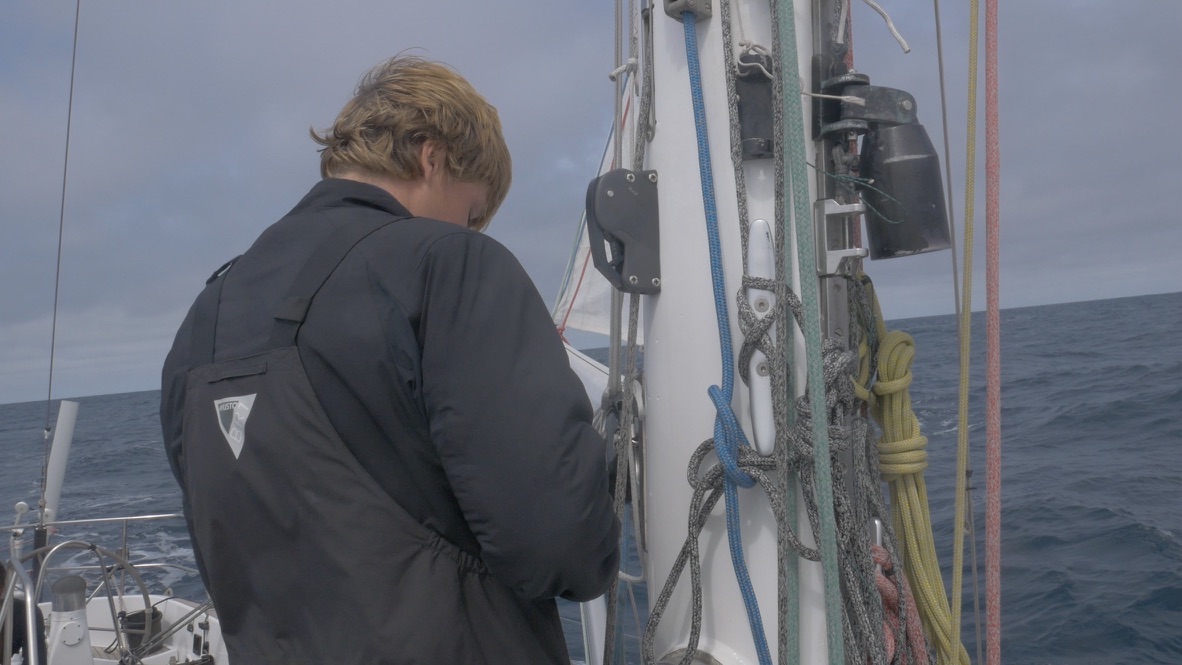
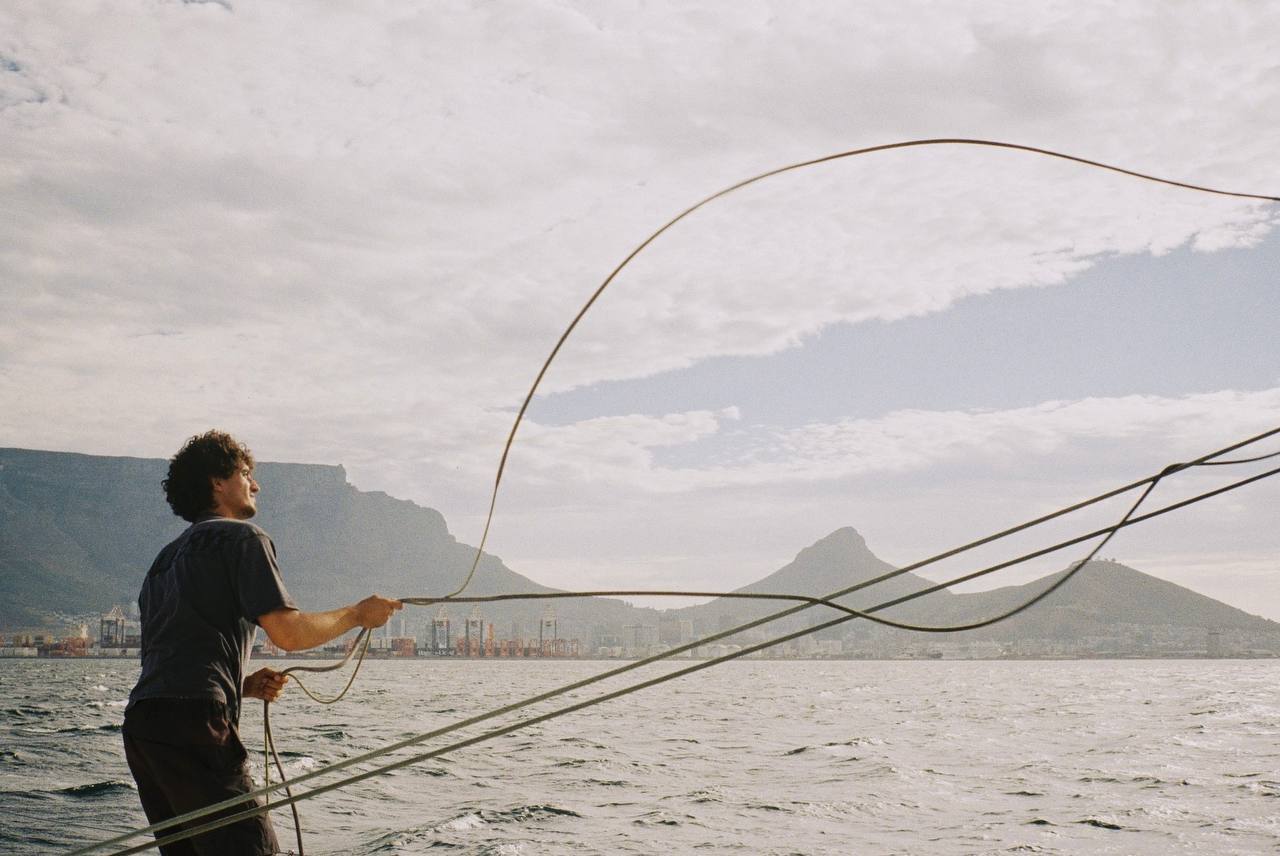
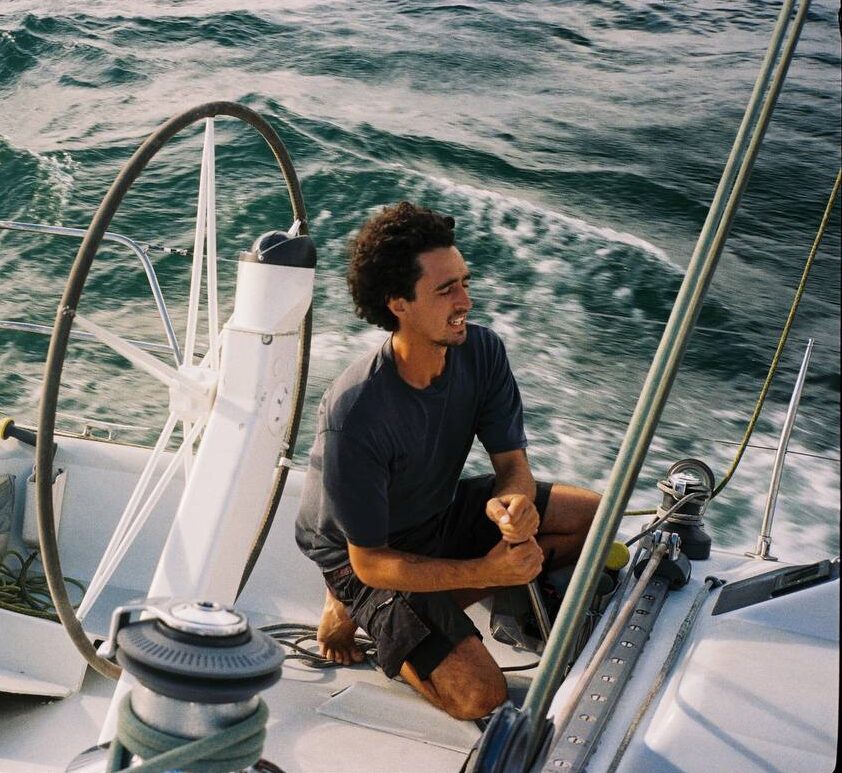
The Long Way offers offshore sailing, not luxury cruising. Everyone participates in the running of the boat. You will trim sails, stand watch at the helm, navigate, and help prepare meals. No prior experience is required, but involvement is expected.
Each person is assigned their own berth and (limited) storage space. Life quickly settles into a steady offshore routine, built around a four-hours-on, four-hours-off watch system, day and night.
Because we believe in removing all filters between yourself and the wilderness, there will be no access to the internet on board. Starlink and the satellite phone are carried for emergencies only. This creates space to focus fully on the sailing, the ocean, and the people around you.
Meals follow the practical rhythm of sailing. Breakfast and lunch are taken when it suits each watch, while dinner is shared together, offering a daily moment to pause and regroup.
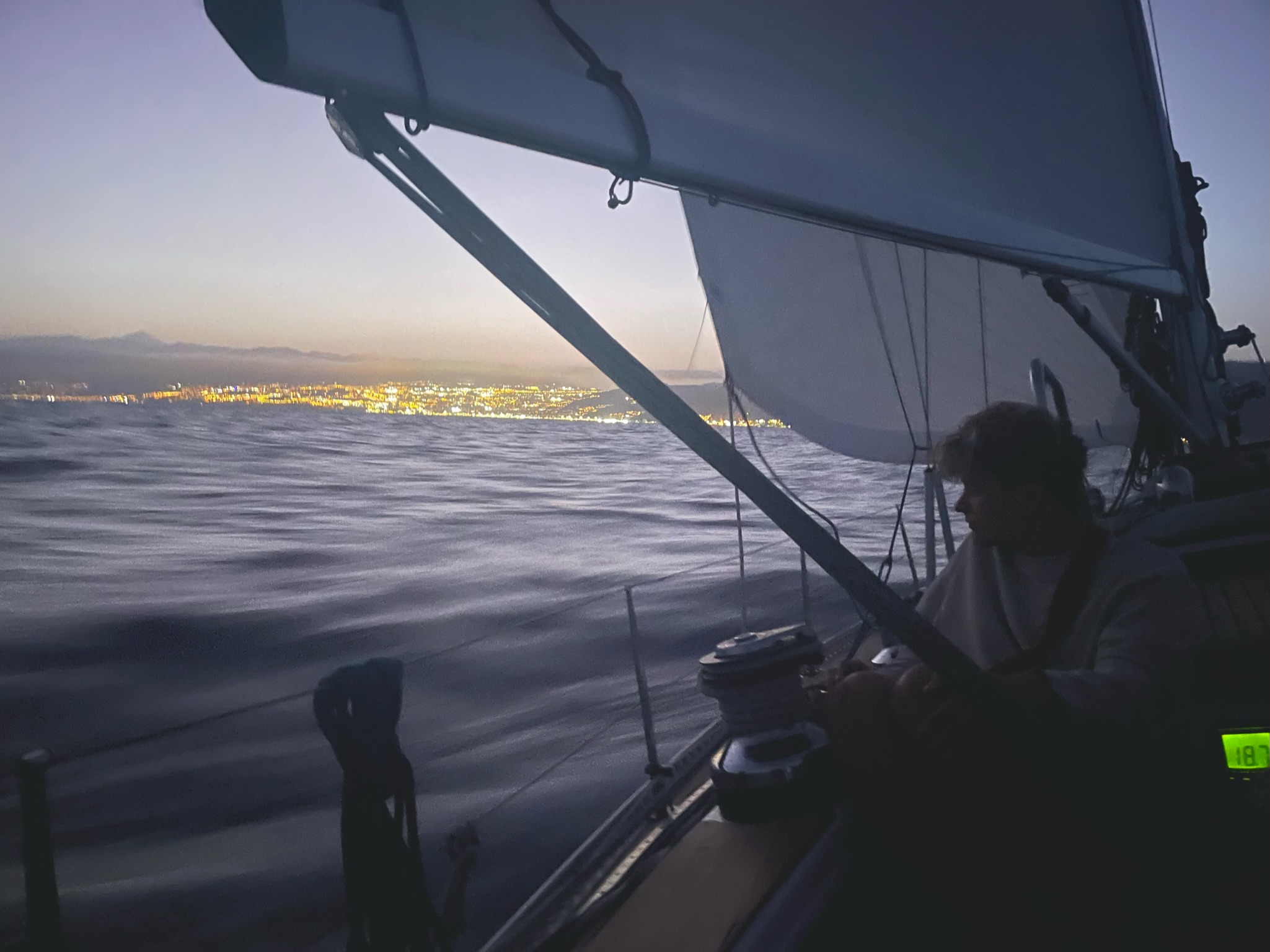
Safety is our highest priority. Offshore sailing demands preparation, vigilance, and teamwork, and we approach it accordingly.
As reflected in our vessels, we take an almost compulsive approach to maintenance, with meticulous attention to detail and an uncompromising focus on safety. Our yachts meet the highest offshore safety standards and carry comprehensive safety equipment, including an EPIRB (Emergency Position Indicating Radio Beacon), personal AIS beacons for each crew member, automatic lifejackets with safety harnesses and tethers, liferafts for full crew capacity, man-overboard recovery systems, fire extinguishers, flares, and essential emergency tools.
The yachts are equipped with a comprehensive medical kit suitable for extended offshore passages. In the unlikely event of a medical emergency, we maintain 24/7 access to a qualified doctor via Starlink and satellite communication.
Beyond equipment, safety at sea is fundamentally collective. We sail as a team, look out for one another, and support each other throughout the voyage. Before departure, we conduct multiple safety briefings covering procedures, equipment, and watch routines. Participation in this voyage requires good health.